
Living in Sharifi-ha House | Vira Group
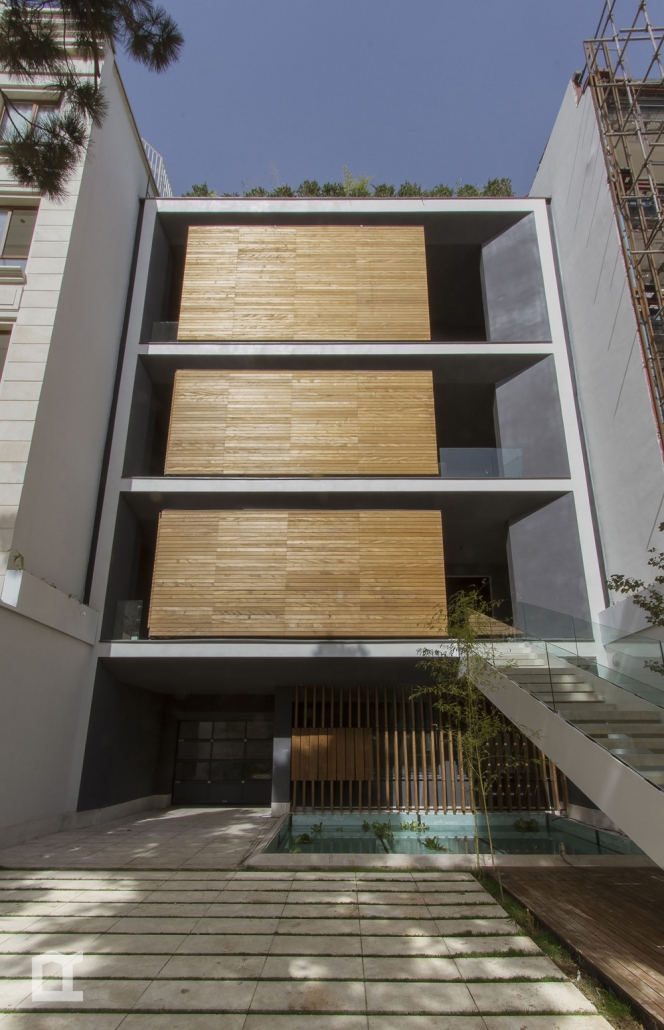
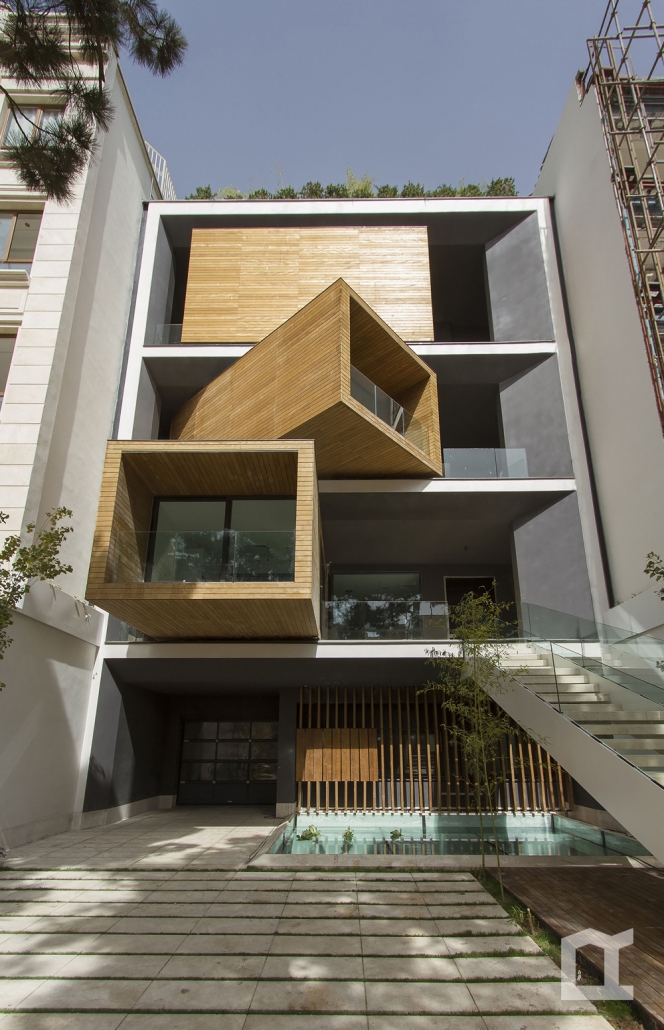
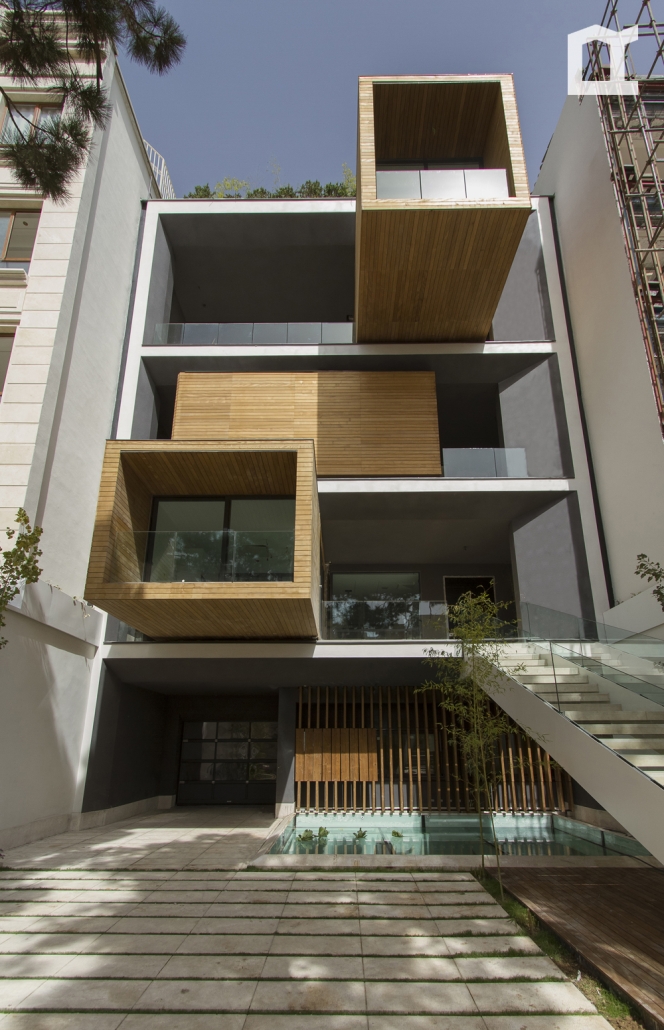
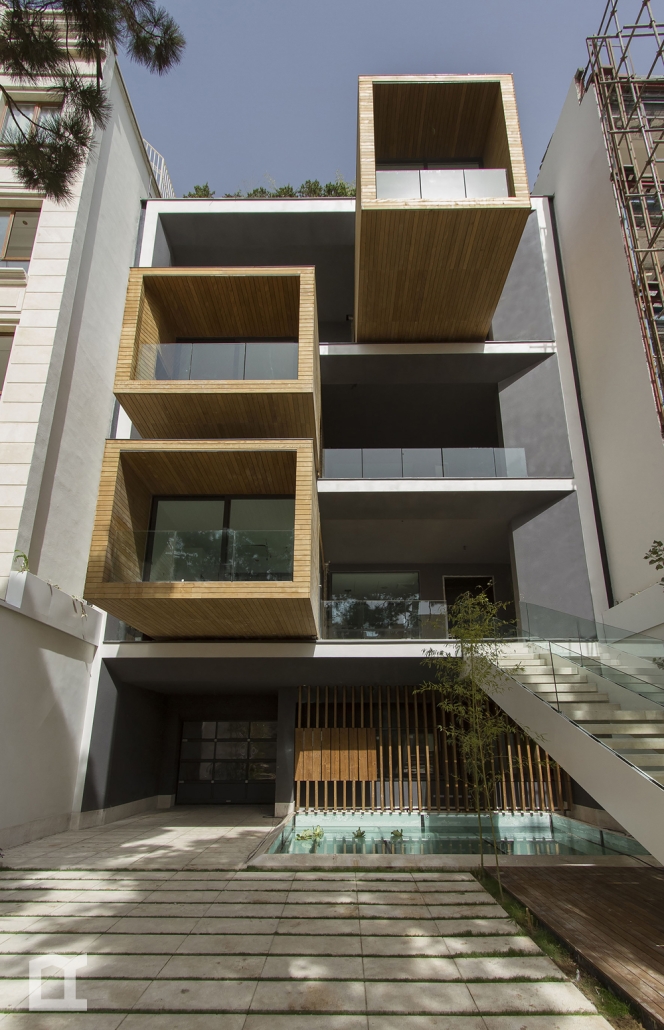
A First-Hand Experience That Shaped Vira Group’s Architectural Vision
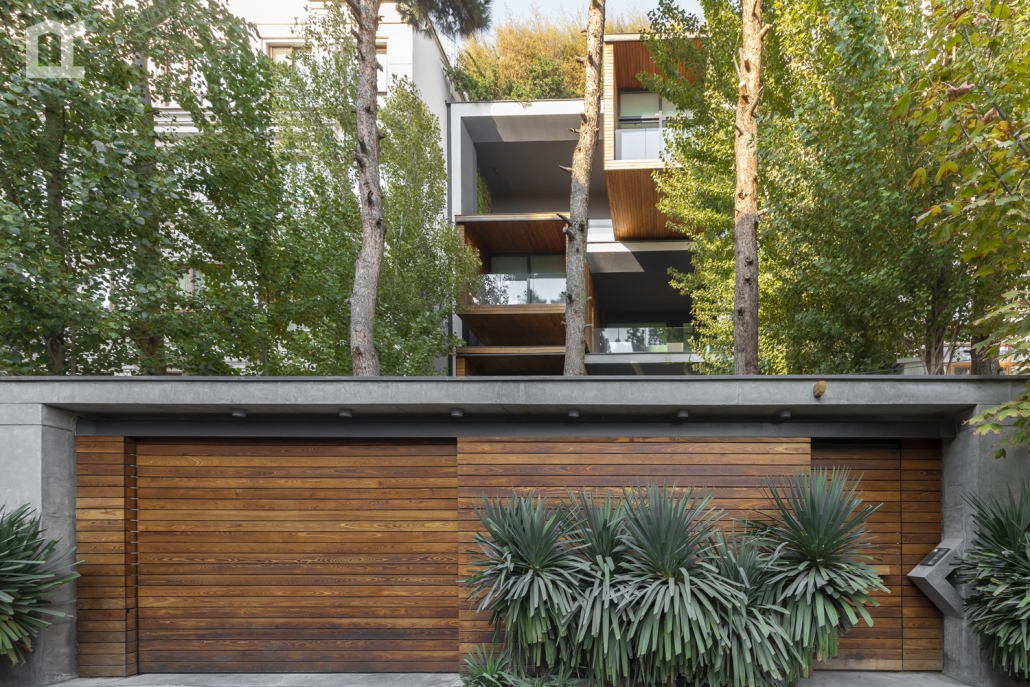
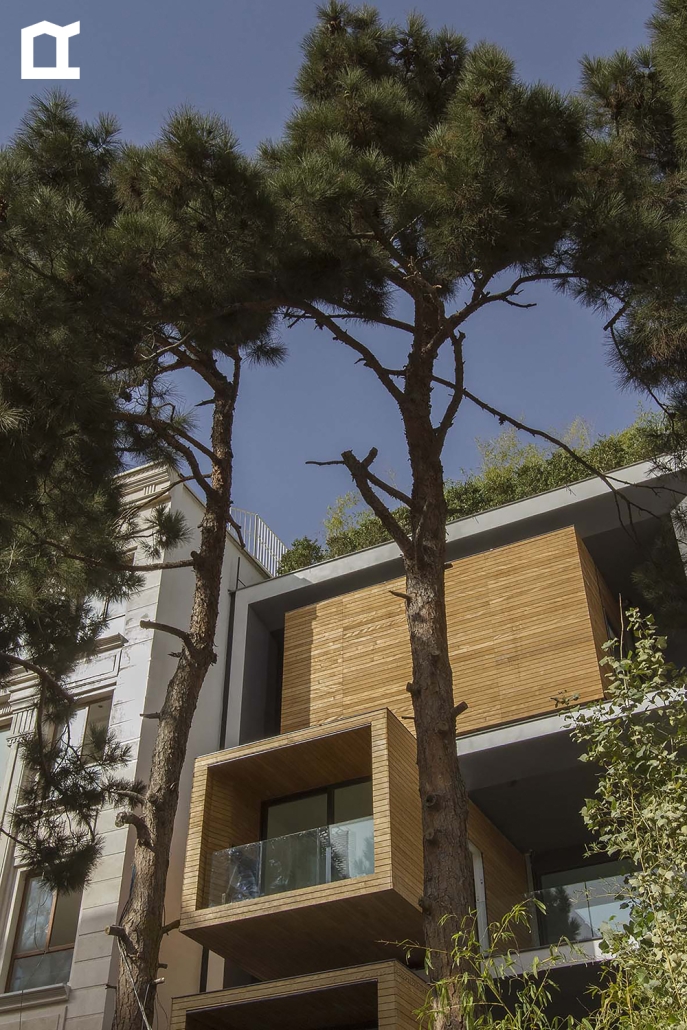
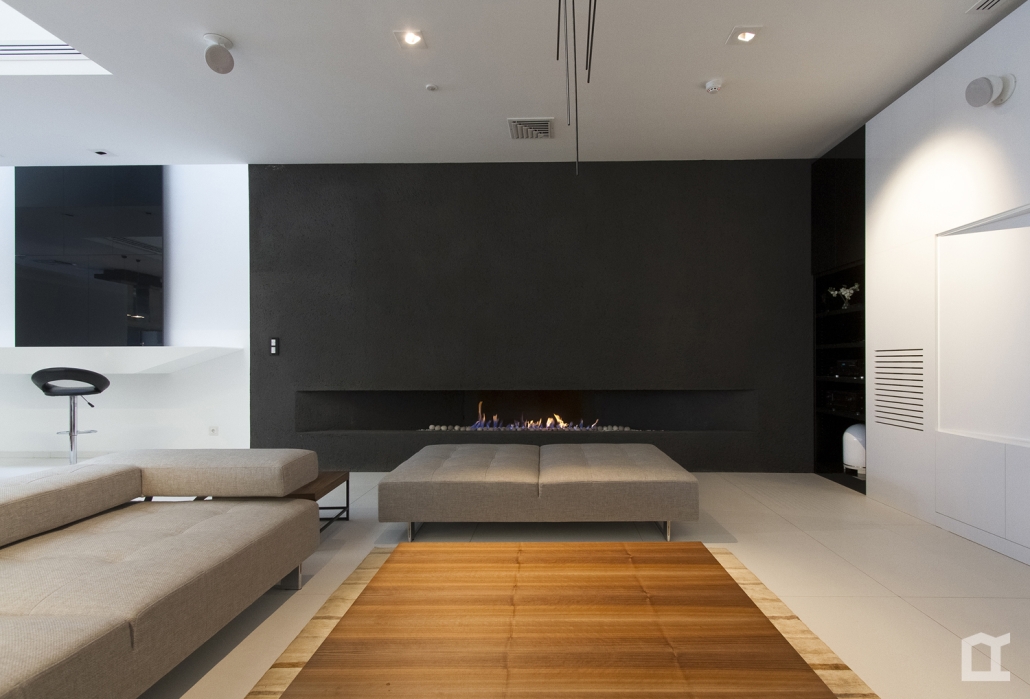
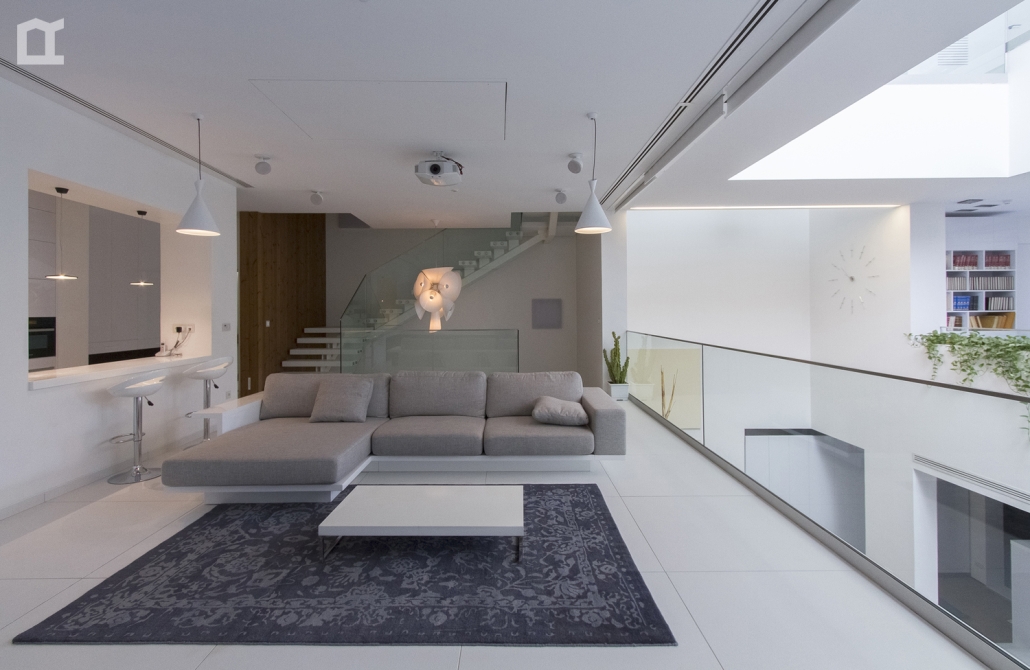
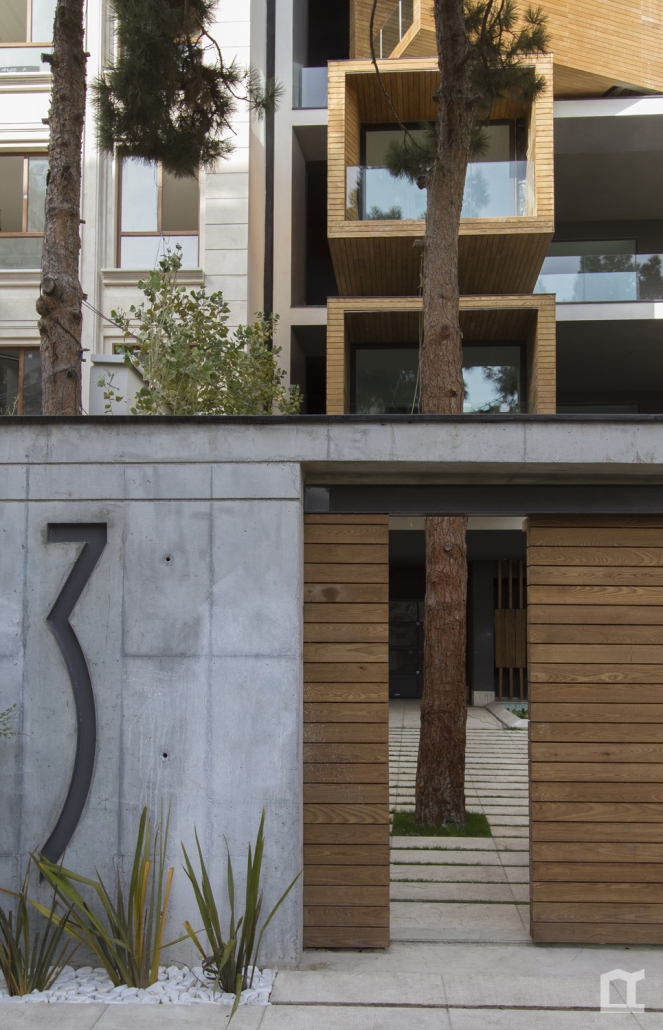
Sharifi-ha House is not only one of the most recognized contemporary residential projects in Iran, but also a turning point in the professional journey of Vira Group. Living in Sharifi-ha House transformed the way we understand architecture, execution, and the role of the client in creating meaningful, long-lasting buildings.
This project represents the moment when a conventional approach to construction evolved into a deep commitment to modern and contemporary architecture.
From Classical Architecture to a Bold New Direction
Before Sharifi-ha House, all previous projects developed by the client were based on classical architectural principles. Ornate details, decorative elements, and monumental forms defined both personal taste and professional experience.
In 2009, with the intention of building a private residence, collaboration began with architect Alireza Taghaboni. Initial discussions reflected a classical mindset; however, after a period of research and design development, a radically different architectural concept was presented.
Despite its contrast with earlier preferences, the proposed concept for Sharifi-ha House demonstrated clarity, spatial intelligence, and a forward-looking vision. The strength of this design led to a decisive shift and the commitment to fully realize the project.
Sharifi-ha House as More Than a Residential Project
The construction of Sharifi-ha House revealed fundamental challenges in executing modern architecture at the time. The project made it clear that modern architecture is not merely a matter of appearance, but of precision, coordination, and discipline throughout the construction process.
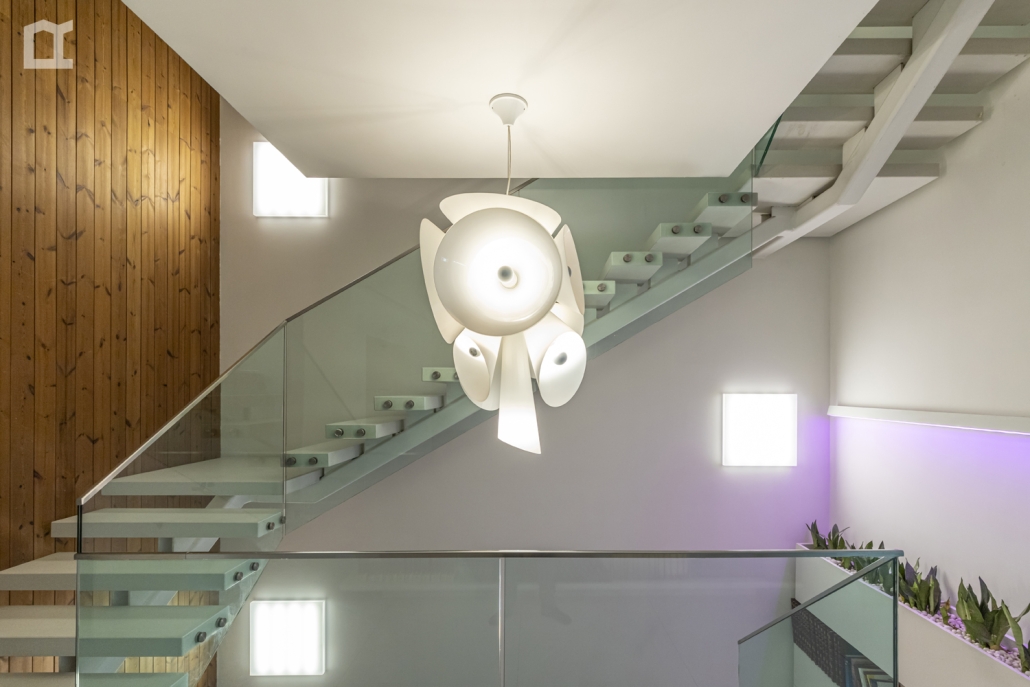
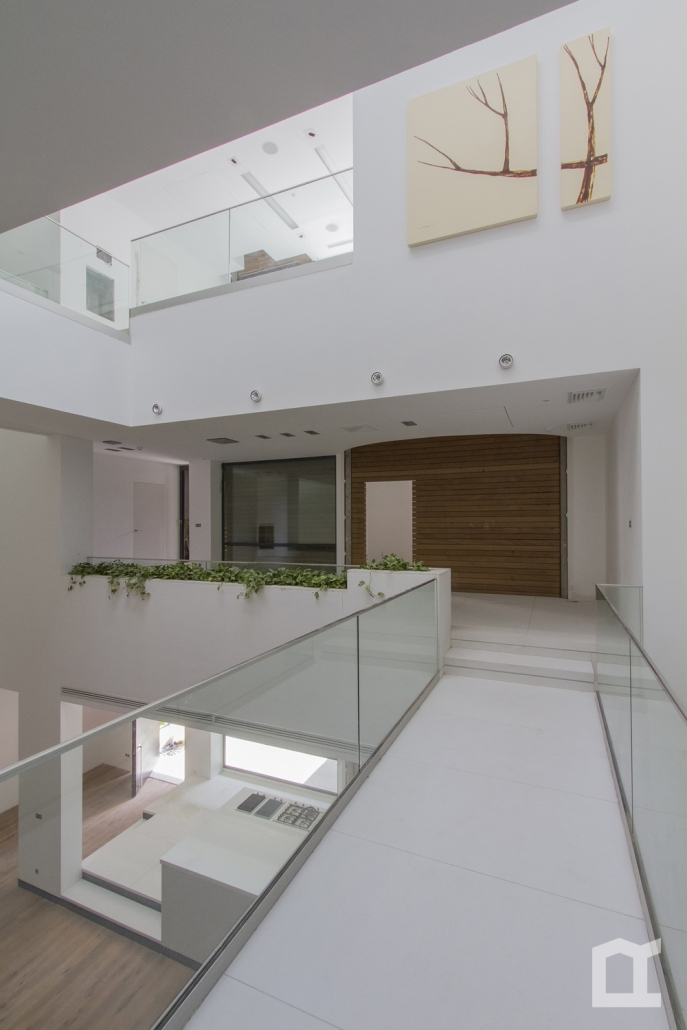
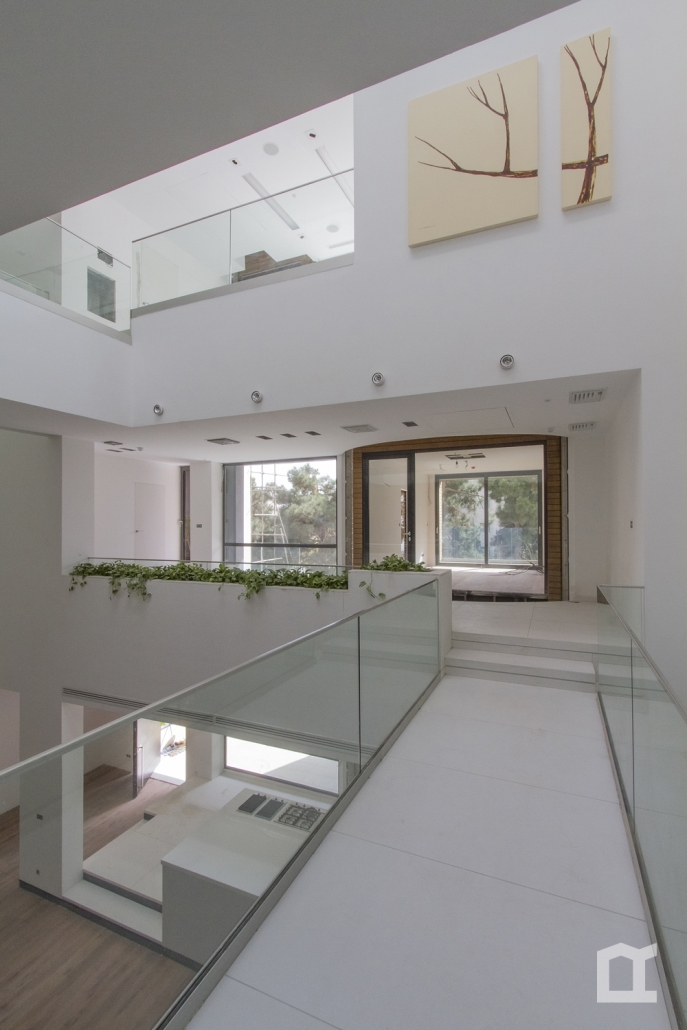
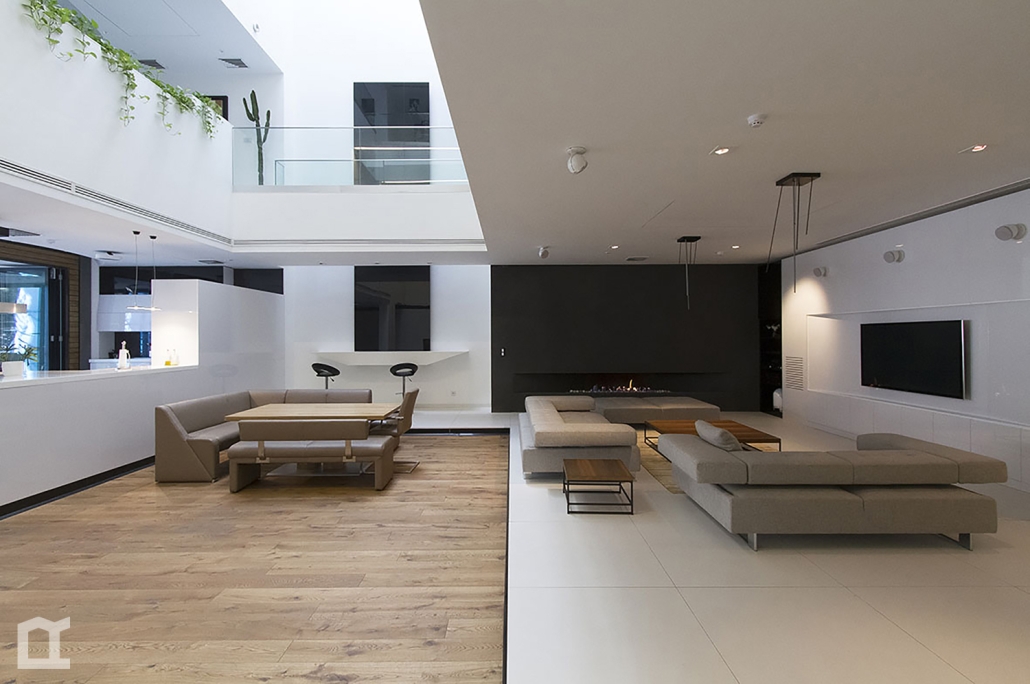
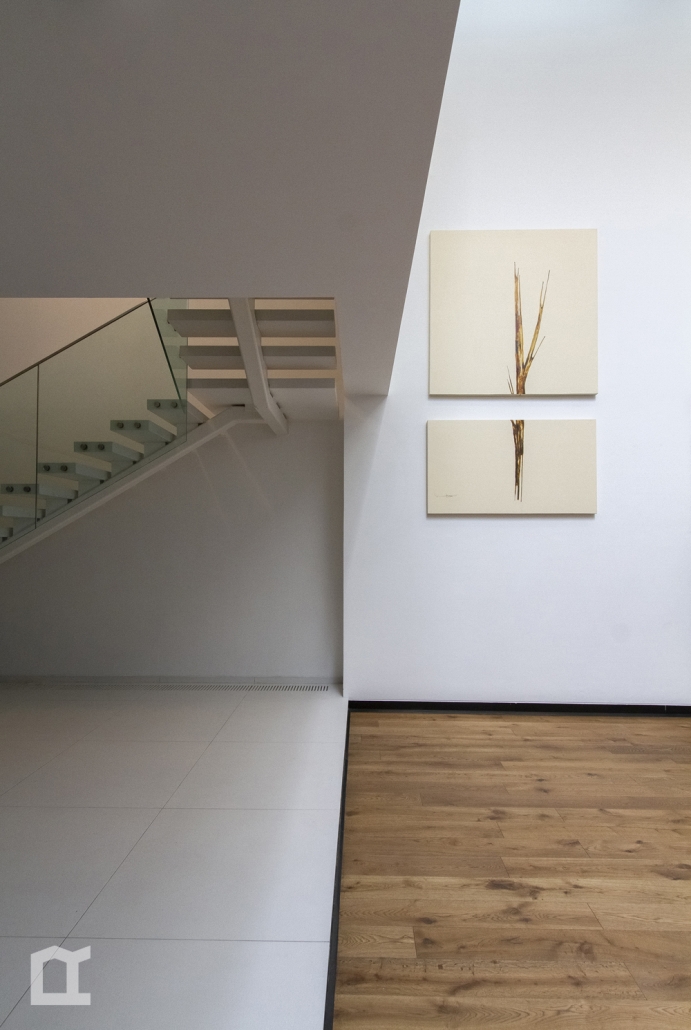
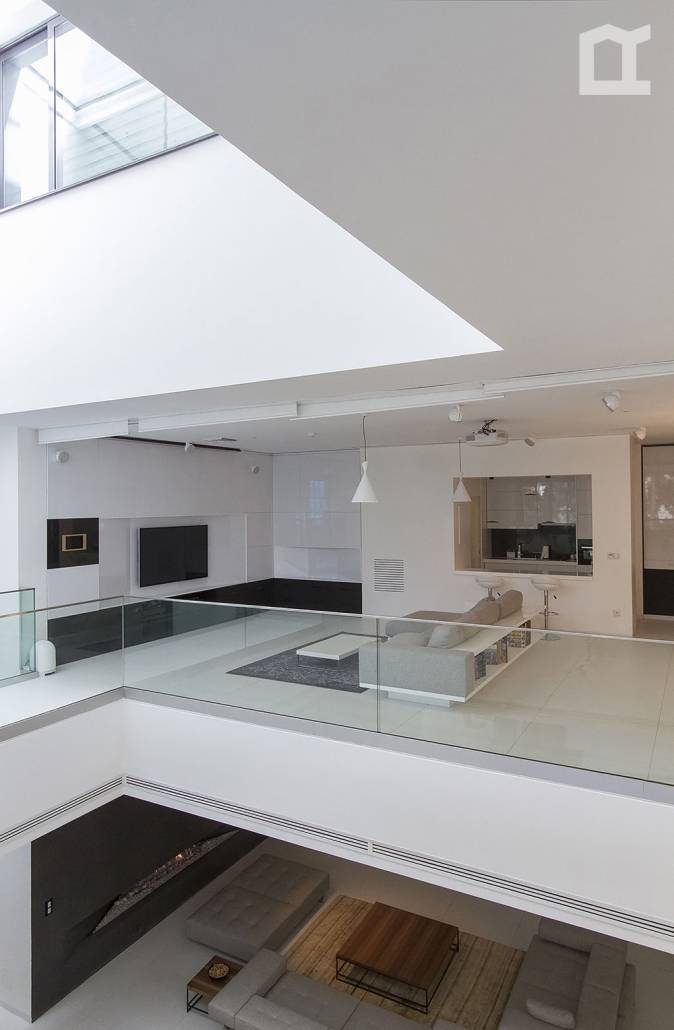
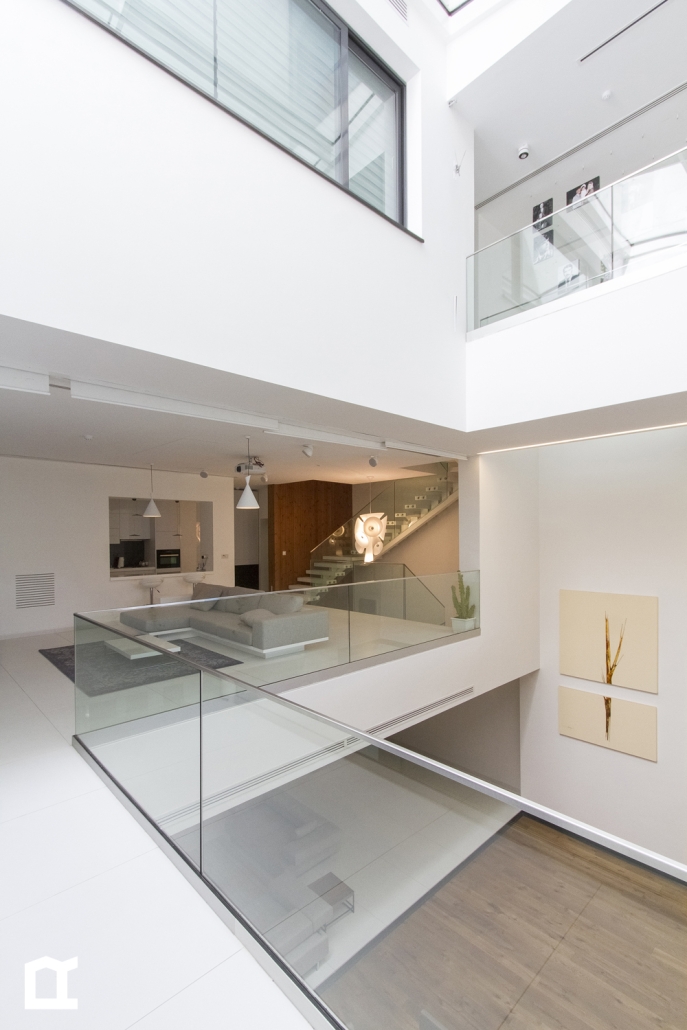
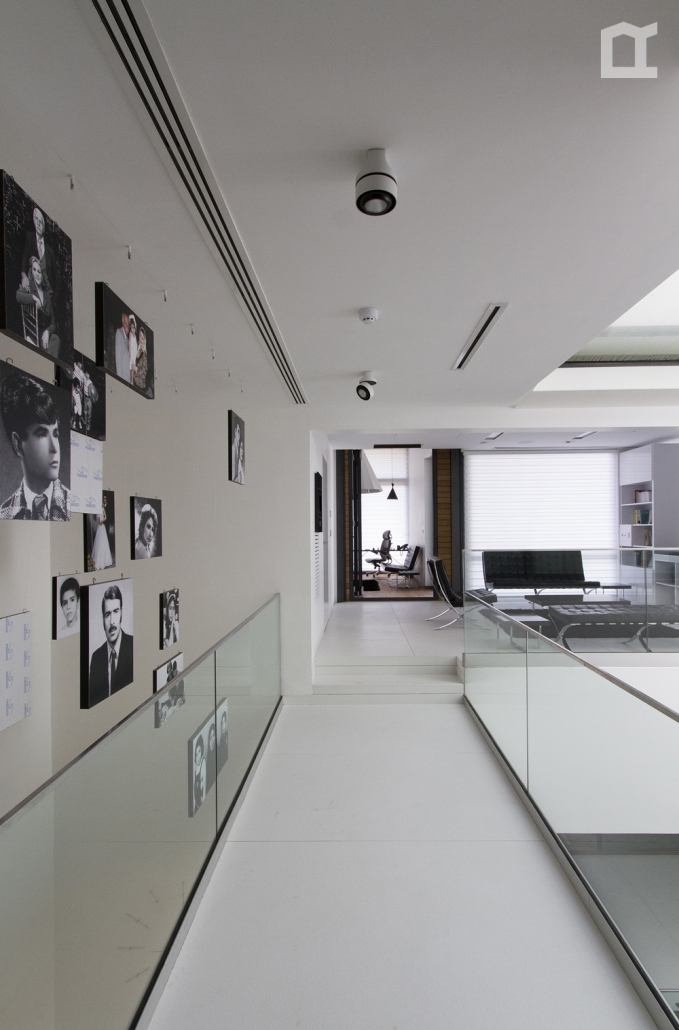
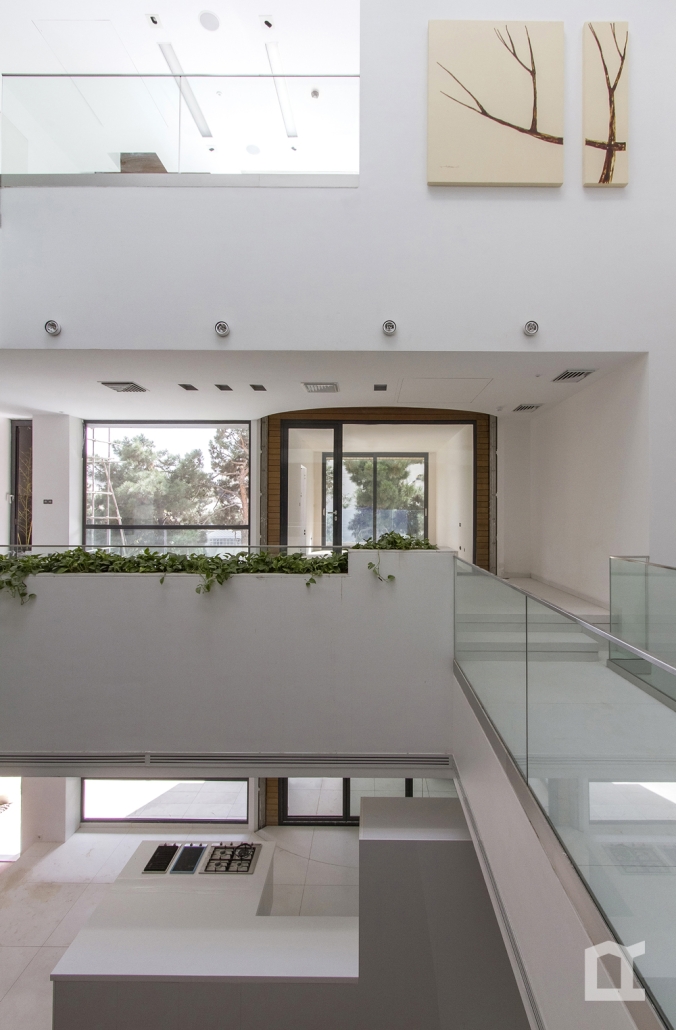
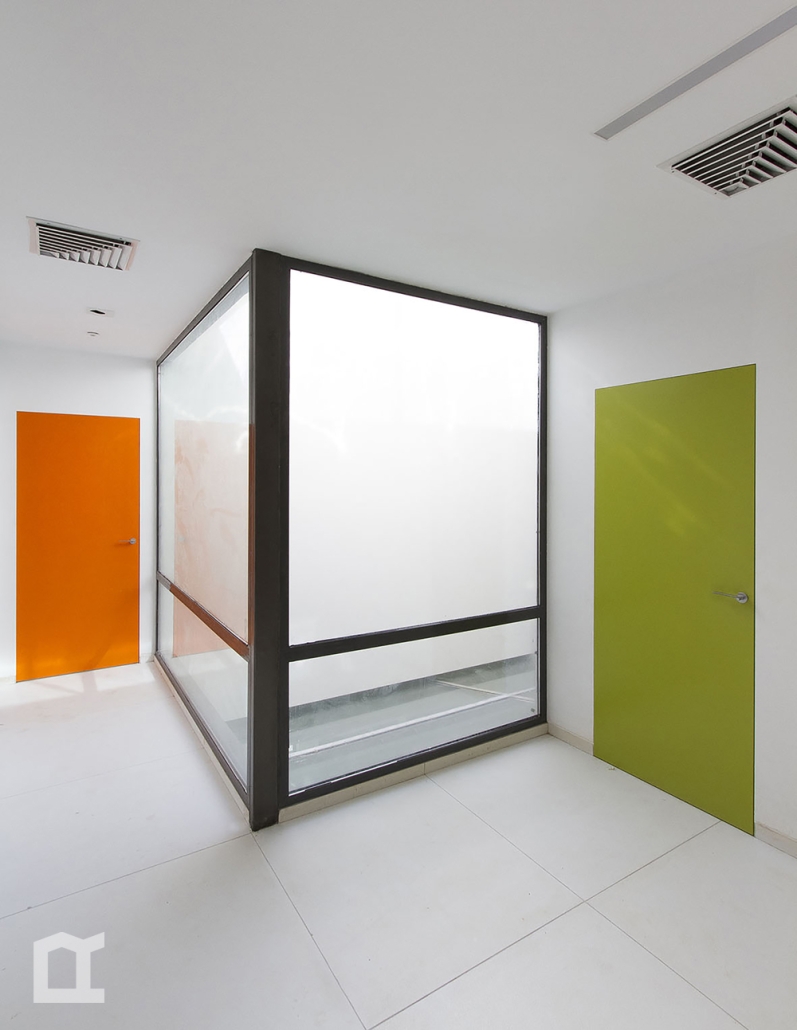
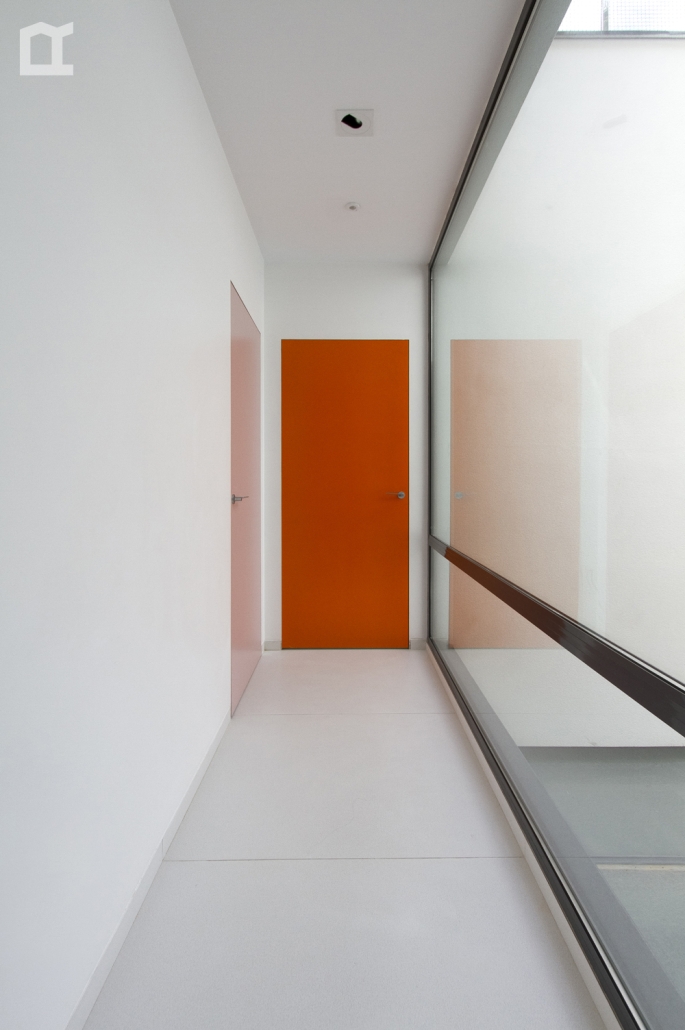
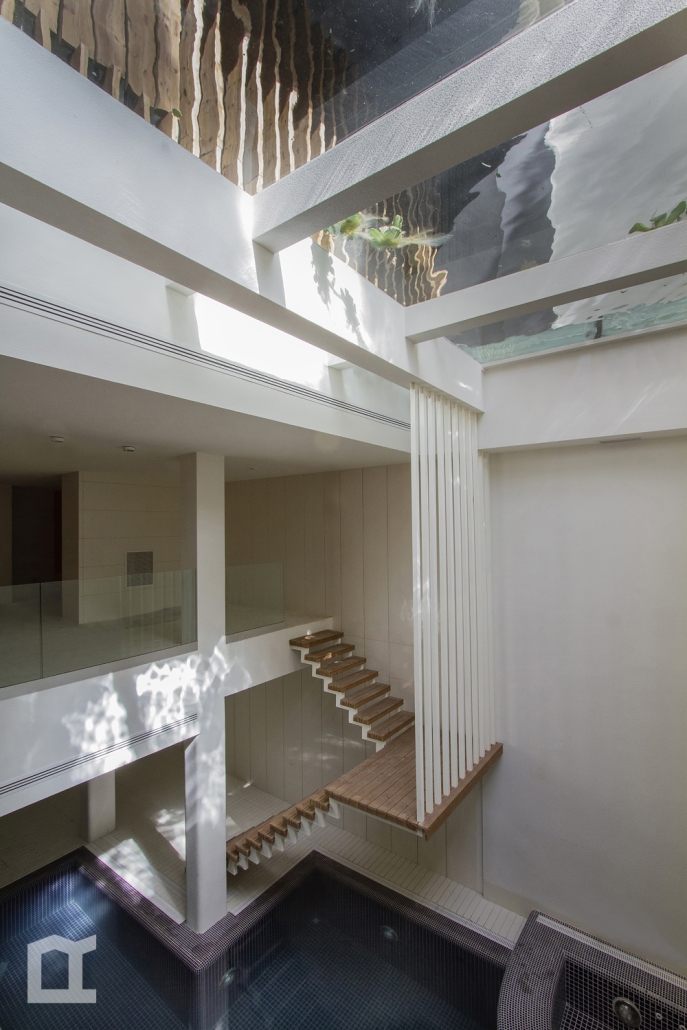
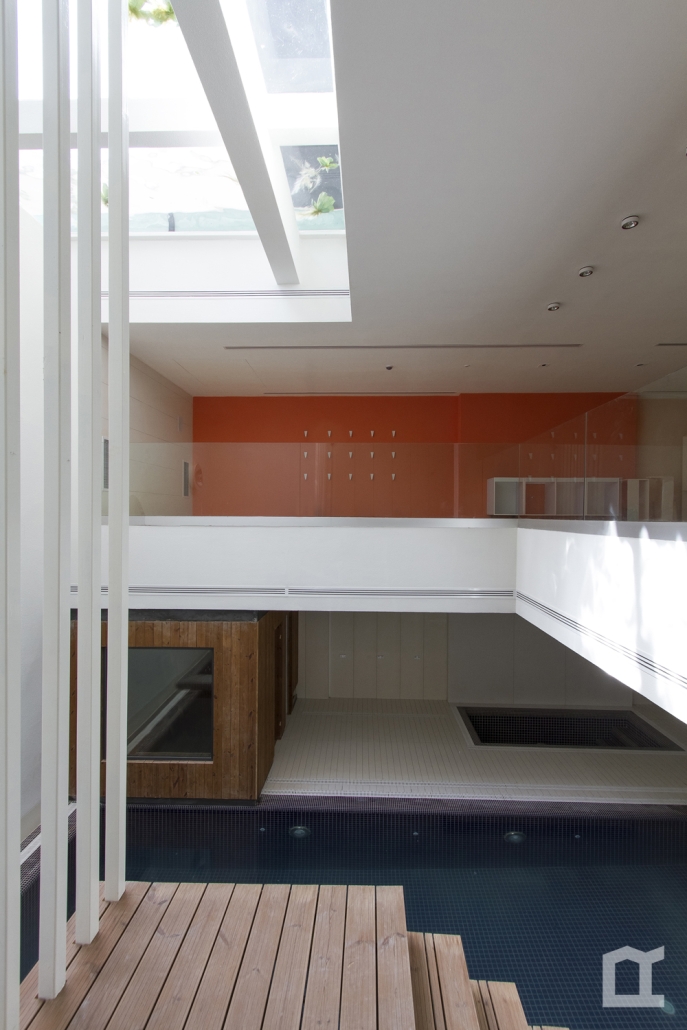
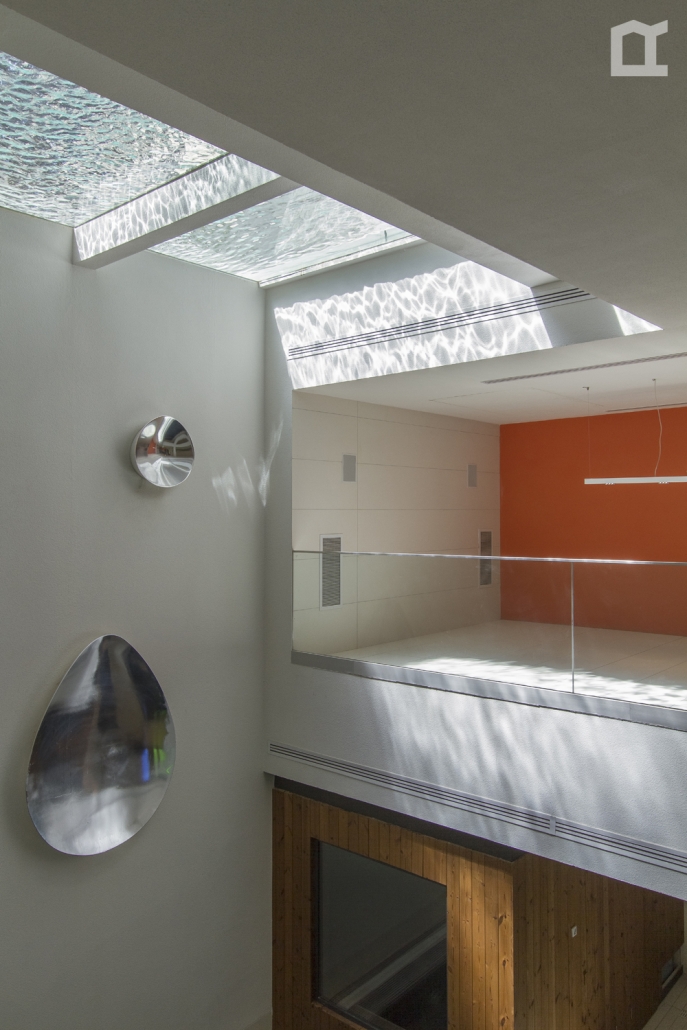
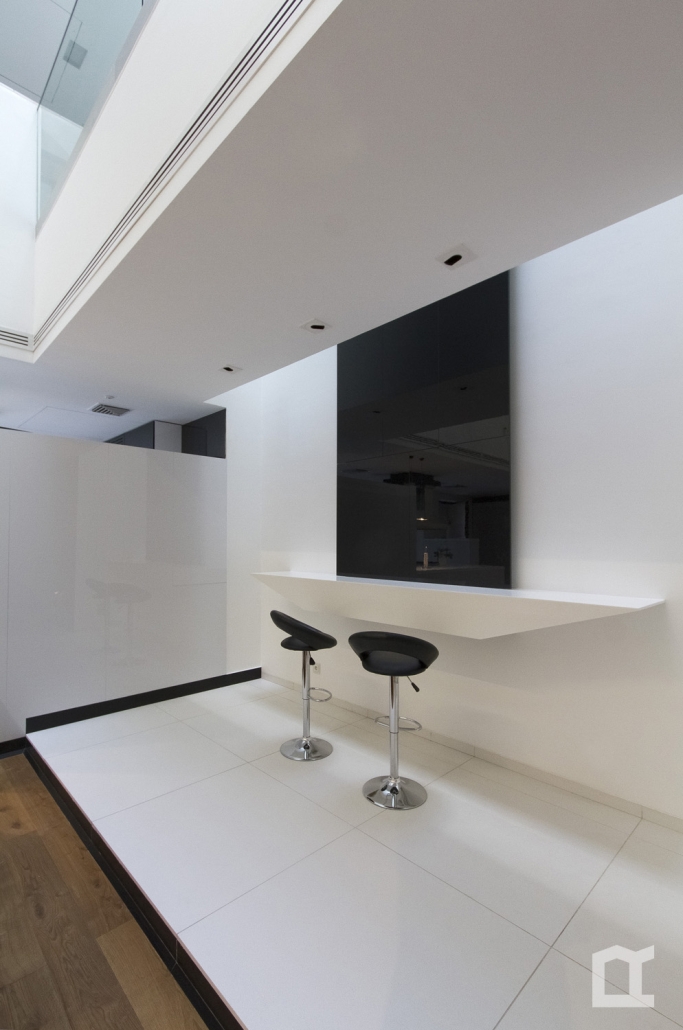
Unlike classical buildings, where imperfections can be concealed through decorative finishes, modern architecture exposes structure, materials, and technical systems as part of the architectural expression. In Sharifi-ha House, elements of the structural frame and building services were intentionally visible, demanding a level of execution accuracy that many conventional construction teams were not prepared for.
Execution Challenges and Professional Growth
These challenges reshaped our understanding of architectural execution. Sharifi-ha House highlighted several essential principles:
-
Detailed and comprehensive architectural drawings are critical
-
Key decisions must be resolved before construction begins
-
Modern architecture cannot rely on improvisation during execution
This experience emphasized the necessity of forming a specialized, integrated team capable of delivering contemporary architectural projects at a high standard. This team later became the foundation of Vira Group.
Living in Sharifi-ha House and the Birth of Vira Group
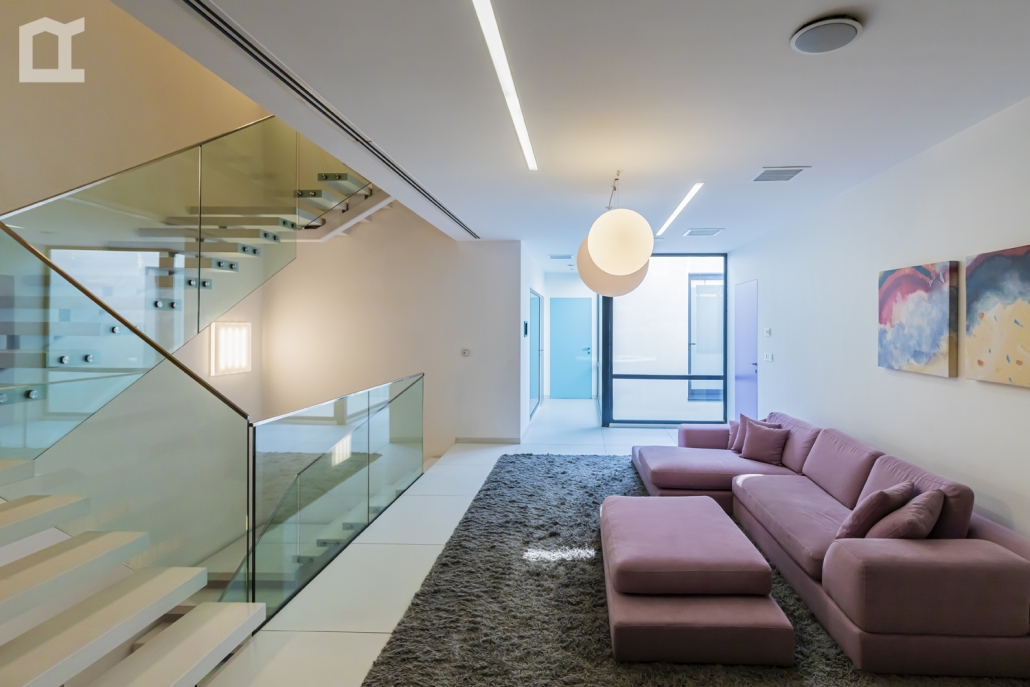
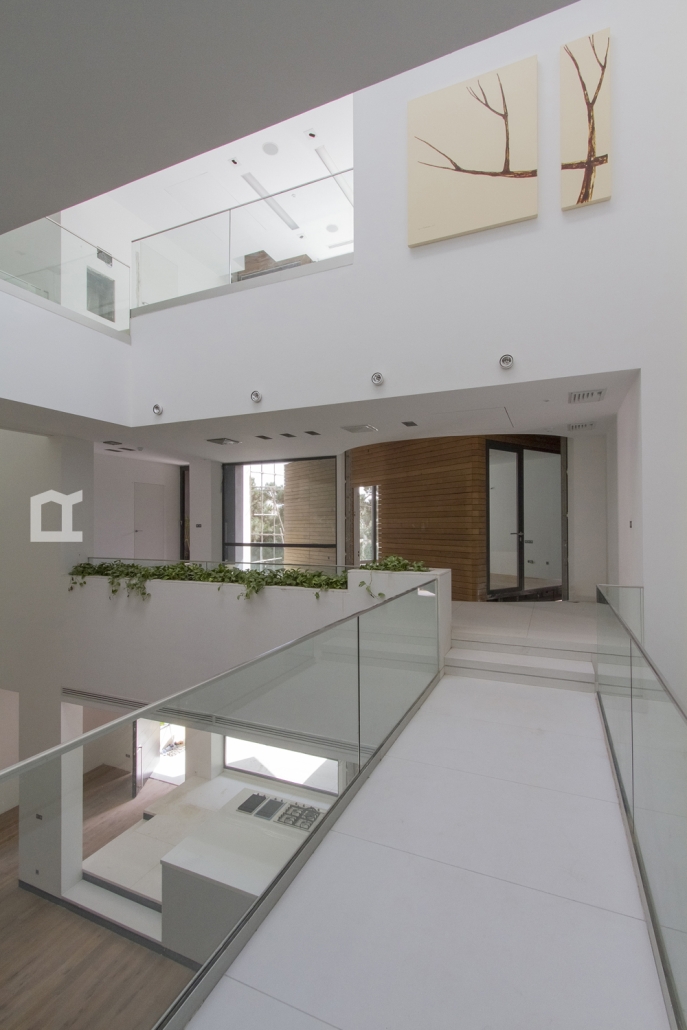
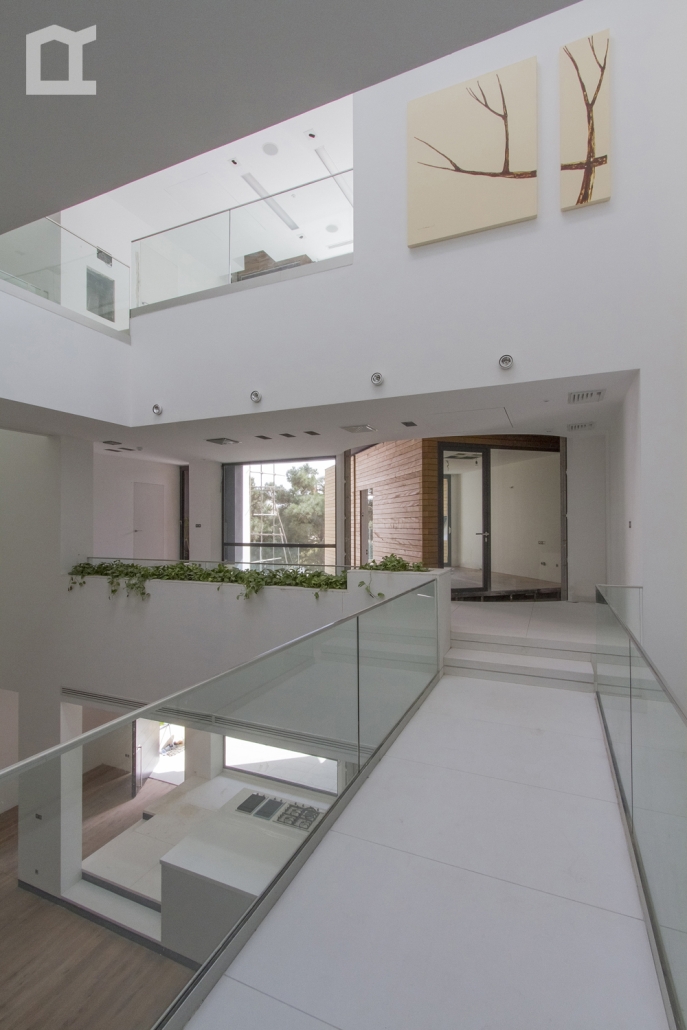
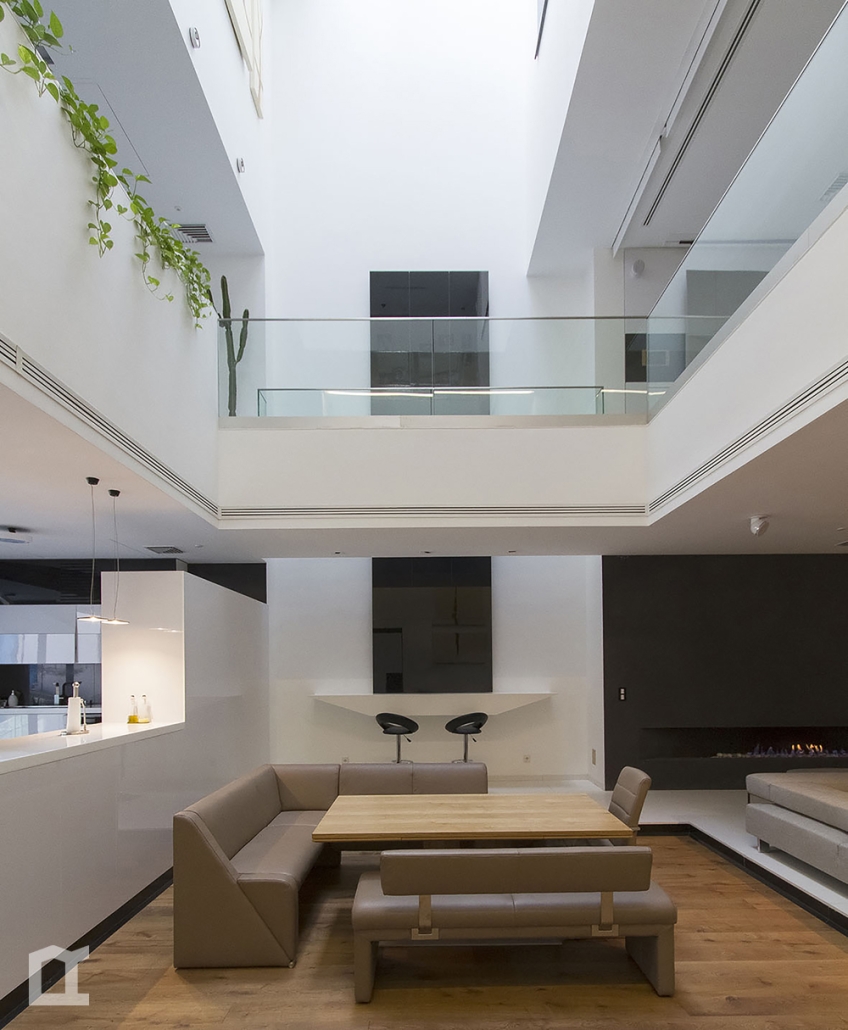
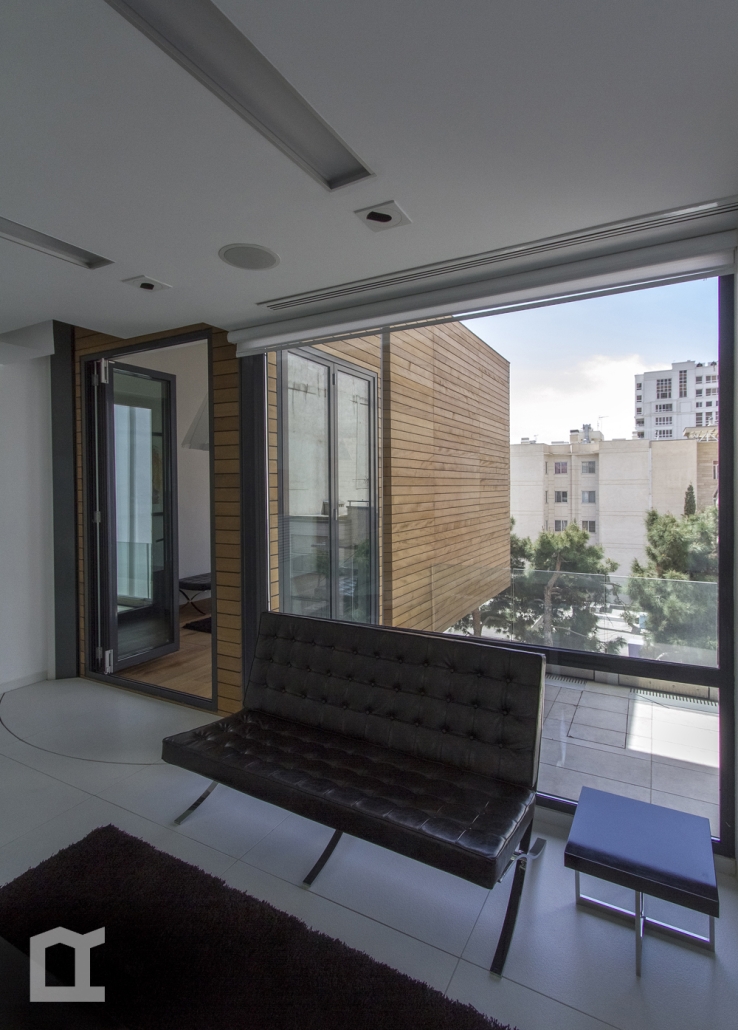
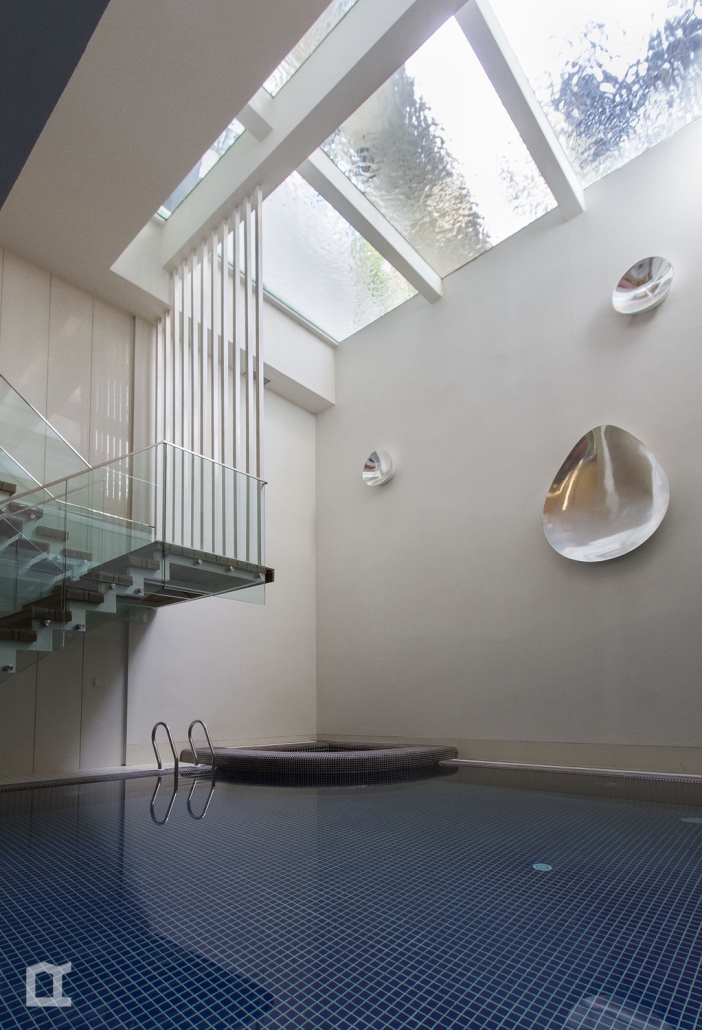
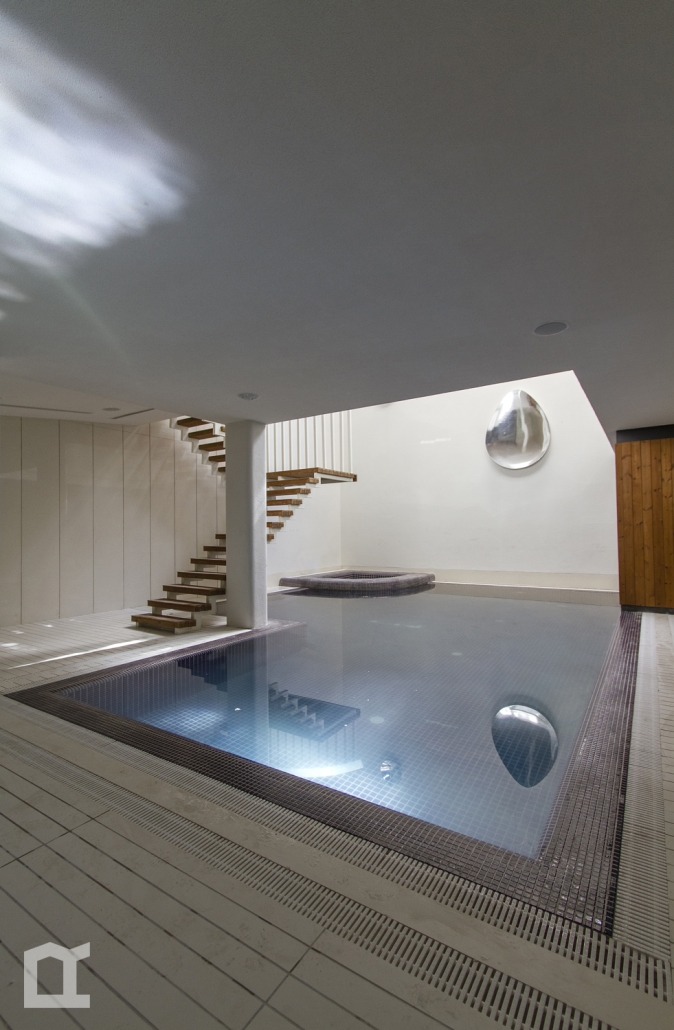
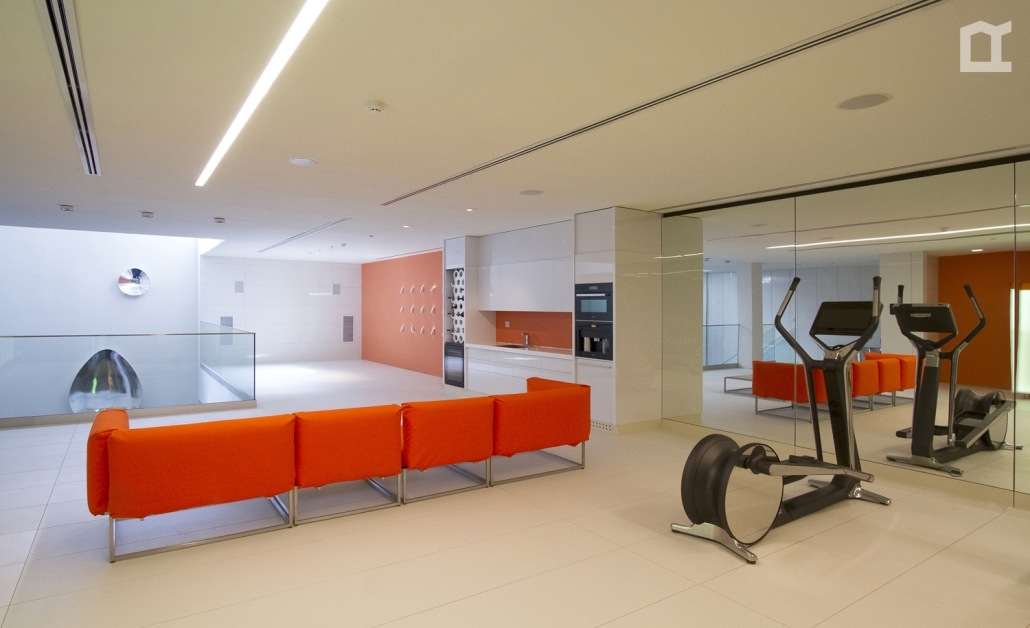
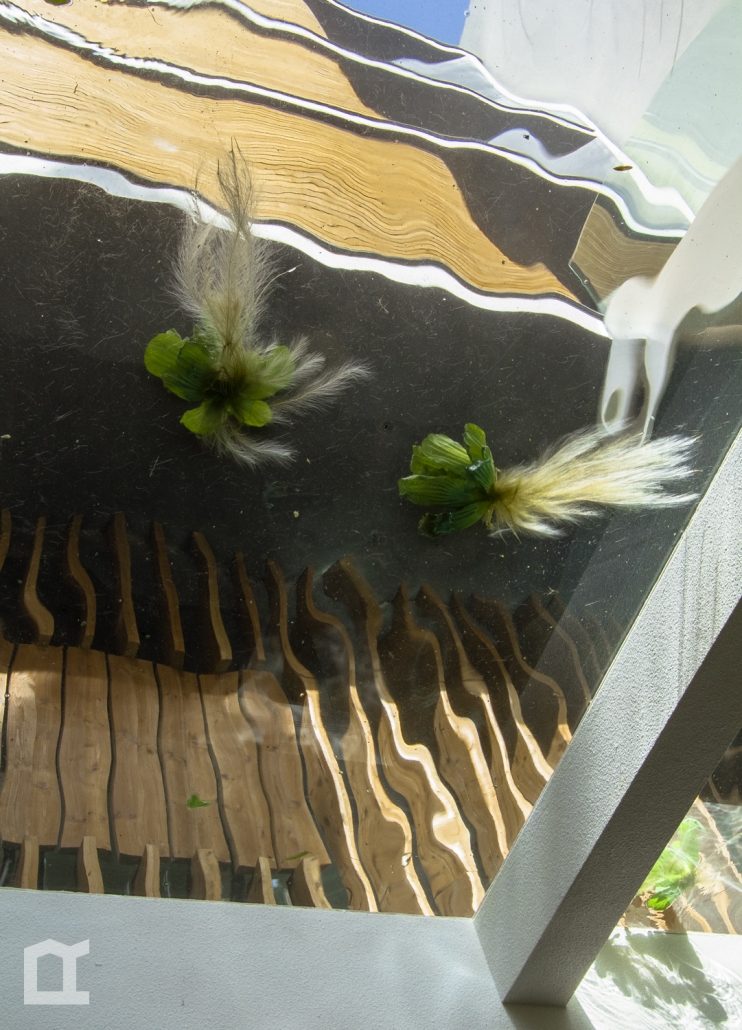
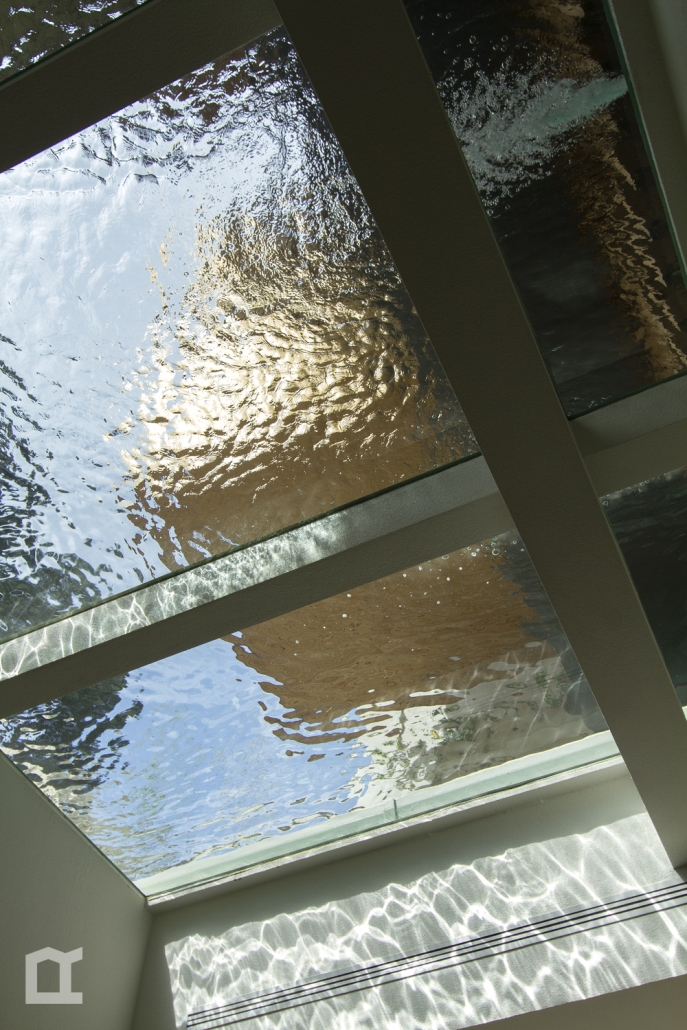
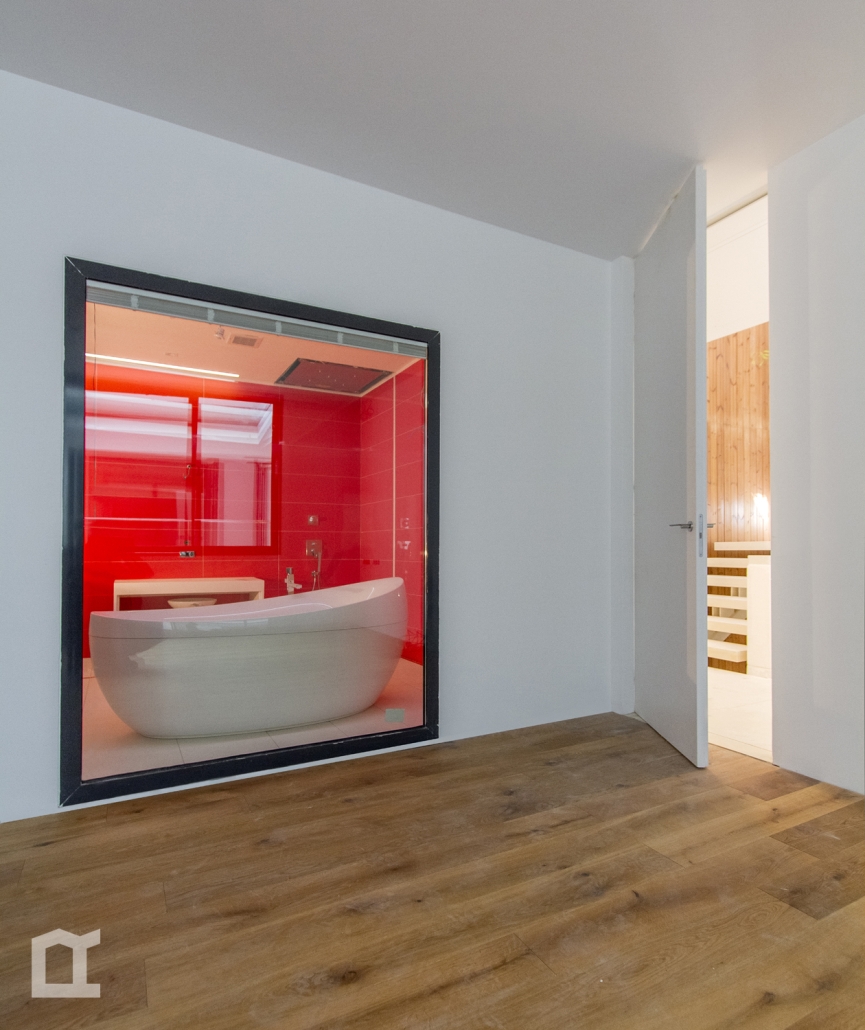
The experience of living in Sharifi-ha House went far beyond inhabiting a residential space. The quality of light, spatial flexibility, seasonal adaptability, and architectural logic of the house created a deep appreciation for modern living environments.
As a result, a clear decision was made: to focus exclusively on modern and contemporary architecture, despite its complexities. From that point onward, projects developed by the same core team achieved recognition through major national and international architectural awards.
Projects such as Ariyo Choob and Cedrus, now regarded as significant examples of contemporary Iranian architecture, continued the path that began with Sharifi-ha House. The Cedrus project, completed by the executive team of Vira Group, received international recognition, including a WAF Award in 2019.
The Client’s Role in Creating Enduring Architecture
Sharifi-ha House demonstrates that the client plays a critical role in shaping architectural quality. Beyond financial investment, architectural excellence requires informed decision-making, trust in the design process, and the courage to embrace innovation.
Vira Group was established on this principle: architecture is the result of a collaborative intellectual process between client, architect, and execution team. Sharifi-ha House stands as a clear example of how this collaboration can produce architecture that remains relevant, functional, and inspiring over time.
Conclusion
Sharifi-ha House marked the beginning of a fundamental transformation. It shifted our approach from conventional construction toward the development of high-quality modern architecture aligned with international standards.
The experience of living in Sharifi-ha House laid the foundation for what is now known as Vira Group—a development and construction group committed to precise execution, architectural integrity, and projects that are not only built, but genuinely lived in.
 https://virabuilding.com/wp-content/uploads/2022/11/علیرضا-تغابنی.jpg
640
1080
superadmin
https://virabuilding.com/wp-content/uploads/2021/08/1566-300x198.png
superadmin2022-11-19 18:46:202023-01-02 14:44:36علیرضا تغابنی
https://virabuilding.com/wp-content/uploads/2022/11/علیرضا-تغابنی.jpg
640
1080
superadmin
https://virabuilding.com/wp-content/uploads/2021/08/1566-300x198.png
superadmin2022-11-19 18:46:202023-01-02 14:44:36علیرضا تغابنی https://virabuilding.com/wp-content/uploads/2022/11/محبعلی.jpg
640
1080
superadmin
https://virabuilding.com/wp-content/uploads/2021/08/1566-300x198.png
superadmin2022-11-19 17:23:142026-02-17 16:54:46محمدرضا محبعلی
https://virabuilding.com/wp-content/uploads/2022/11/محبعلی.jpg
640
1080
superadmin
https://virabuilding.com/wp-content/uploads/2021/08/1566-300x198.png
superadmin2022-11-19 17:23:142026-02-17 16:54:46محمدرضا محبعلی https://virabuilding.com/wp-content/uploads/2022/11/بدری_احمدی.jpg
640
1080
superadmin
https://virabuilding.com/wp-content/uploads/2021/08/1566-300x198.png
superadmin2022-11-19 16:43:172023-01-02 15:20:27حامد بدری احمدی
https://virabuilding.com/wp-content/uploads/2022/11/بدری_احمدی.jpg
640
1080
superadmin
https://virabuilding.com/wp-content/uploads/2021/08/1566-300x198.png
superadmin2022-11-19 16:43:172023-01-02 15:20:27حامد بدری احمدی
